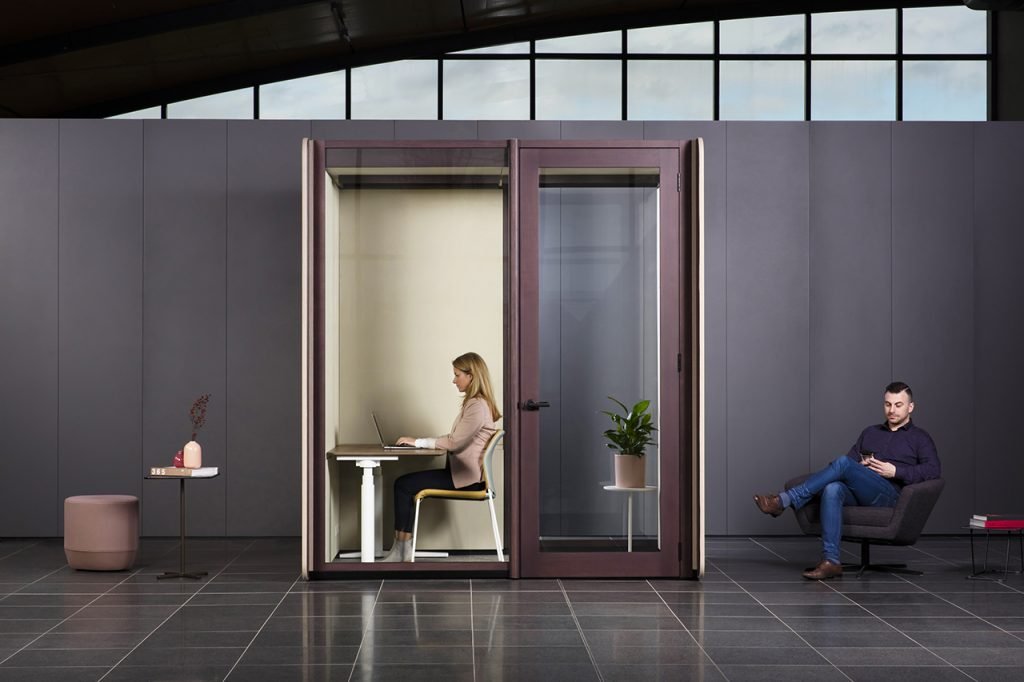
In today’s modern open office environments, noise distractions can significantly impact employee productivity and well-being. This is where soundproof focus rooms come into play, offering a solution to create quiet and concentrated workspaces. By understanding the science behind silence and the benefits it brings, we can explore how soundproof focus rooms improve workplace well-being.
Noise pollution in the workplace can have various negative effects on employees. Studies have shown that excessive noise levels can lead to increased stress, reduced concentration, impaired cognitive function, and even decreased job satisfaction. These factors can ultimately hinder productivity and creativity. A soundproof focus room acts a as sanctuary within the office, shielding employees from external disturbances and enabling them to focus on their tasks without interruptions.
The key principle behind soundproofing is the reduction of sound transmission. Soundproof materials and construction techniques are designed to absorb, block, or dampen sound waves, preventing them from passing through walls, floors, and ceilings. These materials may include acoustic panels, insulation, specialized doors and windows, and resilient flooring. By creating an acoustic barrier, soundproof focus rooms effectively minimize noise infiltration, creating a quieter and more serene environment for employees.
The benefits of soundproof focus rooms extend beyond mere noise reduction. Research has shown that silence itself has numerous positive effects on the human mind and body. When surrounded by silence, the brain can enter a state of relaxation and restoration, allowing for improved focus and concentration. Silence also promotes creativity, as it provides the mental space for ideas to flow and connections to be made. By providing employees with a quiet space through soundproof focus rooms, employers are fostering an environment that enhances cognitive performance and encourages innovative thinking.
Furthermore, soundproof focus rooms offer employees a sense of control over their work environment. In an open office layout, distractions are inevitable, and employees often struggle to find a space where they can work without interruptions. Having access to soundproof focus rooms gives employees the freedom to choose when they need a quieter environment to complete tasks that require deep concentration. This autonomy and flexibility empower individuals to work in a manner that best suits their needs, ultimately boosting their productivity and job satisfaction.
Additionally, soundproof focus rooms contribute to employee well-being by reducing stress levels. Excessive noise has been linked to increased stress hormone levels, which can have detrimental effects on both physical and mental health. By providing a sanctuary of silence, employers can create a more calming and stress-free environment. Employees can use the focus rooms as a retreat when they need a break from the constant auditory stimulation of the office, promoting relaxation and mental rejuvenation.
In conclusion, soundproof focus rooms play a vital role in improving workplace well-being by creating quiet, concentrated, and stress-free environments. By incorporating soundproofing materials and construction techniques, these rooms effectively reduce noise distractions and provide employees with a serene space for focused work and creative thinking. The benefits extend beyond noise reduction, as silence itself has been shown to enhance cognitive performance, boost creativity, and reduce stress levels. By prioritizing the creation of soundproof focus room in office design, employers can promote a more productive, peaceful, and satisfied workforce.